
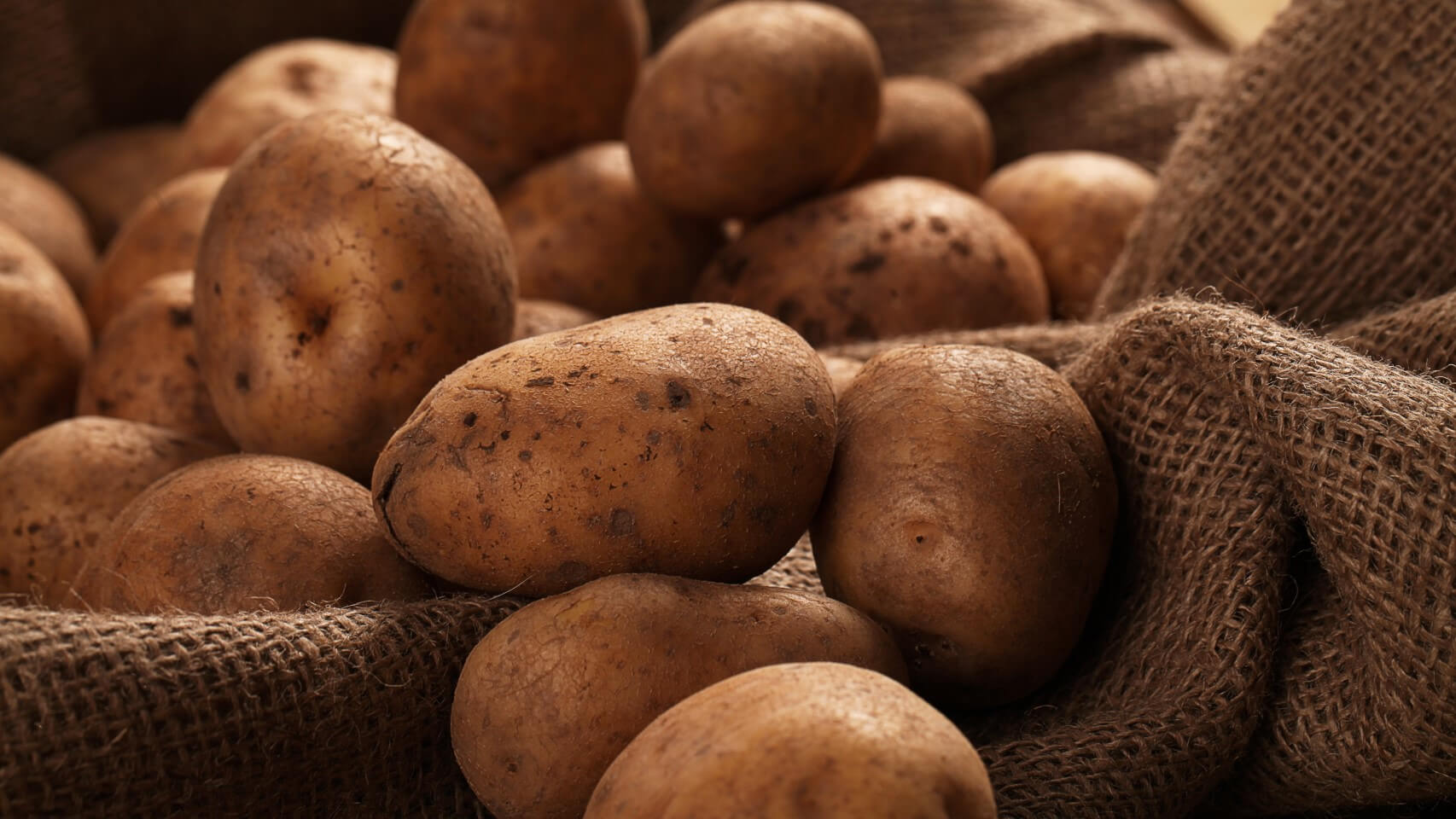
Potatoes are the fourth most significant crop in the world after maize, wheat and rice. This makes potatoes the number one unrefined food crop globally. Surprisingly, only about 10% of consumers know which potatoes to use for a specific dish… except for fried chips. Almost 20% know to use long oval and/or large potatoes.
Size
The generally preferred size of potatoes mainly varies between a medium and large potato. Baby potatoes are least preferred.
Colour
The preferred colour of potatoes varies mainly between white and cream. 37% of people prefer their potatoes to be cream.
Shape
The preferred shape of potatoes varies greatly. Over a third of consumers prefer a round to an oval potato.
Washed vs Unwashed
93% of consumers prefer a washed potato to an unwashed potato.
Why buy unwashed potatoes?
Unwashed potatoes are ideal if you are looking for longevity as unwashed potatoes will last a little longer as the dirt protects them from light. Washed potatoes often lose some of their skin in the washing process, making them more susceptible to air and potential mould. Unwashed potatoes are ideal for export markets.
There are hundreds of varieties of potato and multiple potato cultivars in South Africa. Different potato types vary in texture and colour and behave differently when cooked, making some potato varieties better suited to certain purposes.
What is a potato cultivar?
Also known as a potato variety, a potato cultivar is a type of potato that has been bred for desired traits. These traits are reproduced in each new generation to maintain the cultivar’s characteristics.
In South Africa, there are several potato cultivars that are commonly grown. Each cultivar has its own unique characteristics, uses, and benefits. Here is a list of commonly grown potato cultivars in South Africa, along with their general uses and benefits:
Potato growing regions in South Africa may vary due to climatic conditions and farming practices. However, major potato-producing areas in South Africa include the Western Cape, Eastern Cape, Free State, Limpopo, and Mpumalanga provinces. Different cultivars may be preferred in different regions based on factors such as climate, soil conditions, and market demands.
It’s important to note that availability and preferences for potato cultivars may change over time, and there may be other locally adapted cultivars that are popular in specific regions of South Africa. Consulting with local farmers, agricultural extension offices, or seed suppliers in your specific area would provide the most accurate and up-to-date information regarding potato cultivars suitable for your region.
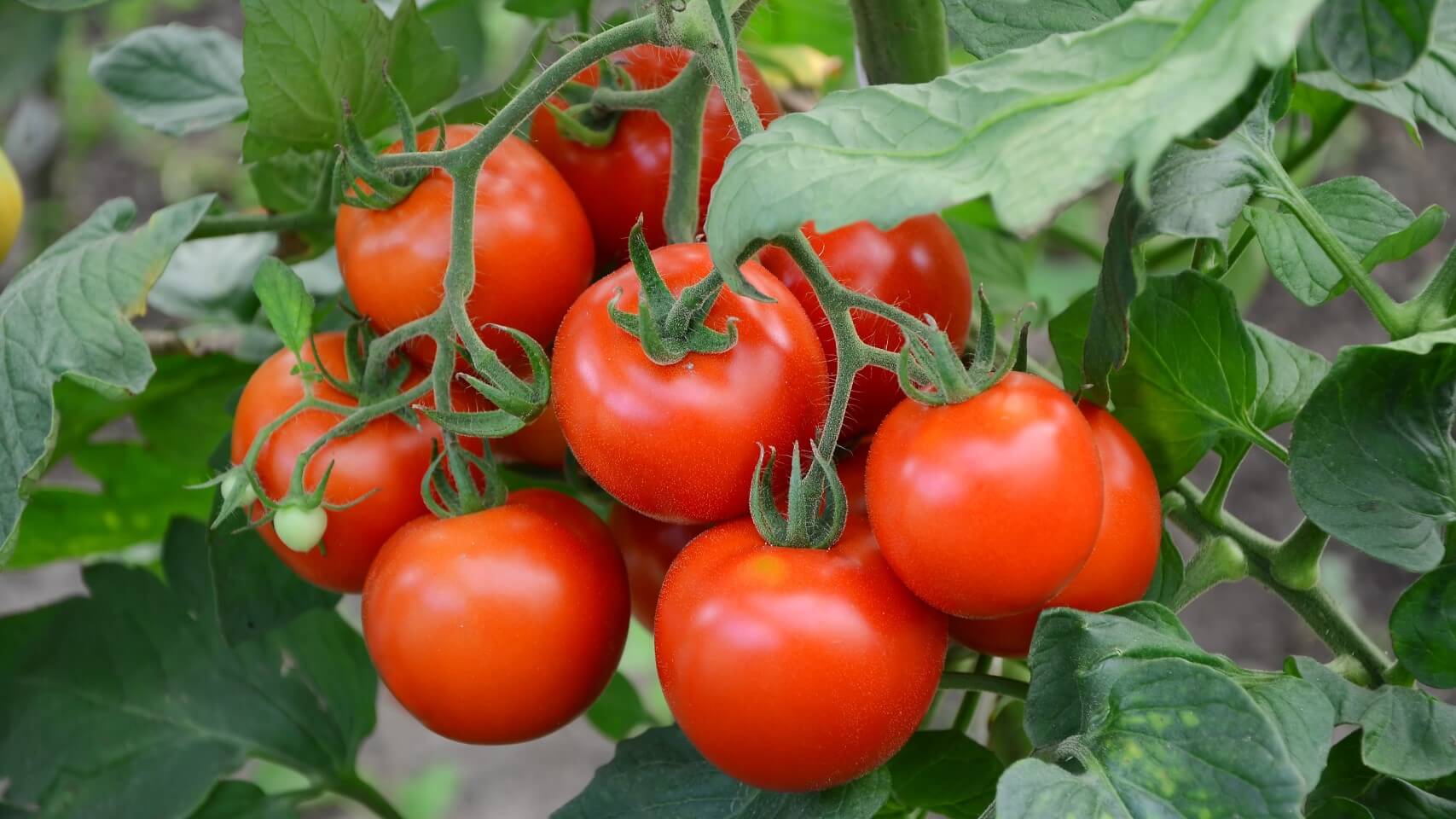
“Tomatoes are the second most important vegetable commodity after potatoes, planted to about 6000 hectares. Tomatoes contribute about 24% of the total vegetable production in South Africa.”
Department of Agriculture, Forestry and Fisheries: Directorate Plant Production
Tomatoes popularity can, in part, be ascribed to their status as a functional food, ie, a food that goes beyond providing basic nutrition. Tomatoes contain a wide array of beneficial nutrients and antioxidants, including alpha-lipoic acid, lycopene, folic acid, beta-carotene and lutein. They are also a source of vitamin C and choline, an important nutrient that helps with sleep, muscle movement, learning and memory.
South Africa’s annual tomato production is around 600 000 tonnes. The country grows three main types of tomatoes, namely round or fresh tomatoes, roma tomatoes destined for processing, and cherry tomatoes. Most tomatoes are grown in open fields under irrigation.
Given their relatively short shelf life, tomatoes are mainly grown for domestic use. Between 83% and 87% of the annual crop is sold through the national and regional fresh produce markets, with a limited quantity delivered directly to supermarket chains. A small percentage of South African tomatoes is bought by cross-border traders who sell produce in Lesotho, Swaziland, Mozambique, Botswana and Namibia.
South Africa is regarded as a leader in the use of tomato production best practices.
In South Africa, there are several tomato cultivars that are popularly grown. Each cultivar has its own unique characteristics, uses, and benefits. While I can provide a list of commonly grown tomato cultivars in South Africa, please note that specific growing regions may vary depending on factors such as climate, soil conditions, and farming practices. Here are some tomato cultivars along with their general uses and benefits:
Tomato growing regions in South Africa may vary, but some major tomato-producing areas include Limpopo, Mpumalanga, Gauteng, Western Cape, and KwaZulu-Natal. Local conditions and farming practices can influence the specific cultivars grown in each region.
It’s worth noting that availability and preferences for tomato cultivars may change over time, and there may be other locally adapted cultivars that are popular in specific regions of South Africa. Consulting with local farmers, agricultural extension offices, or seed suppliers in your specific area would provide the most accurate and up-to-date information regarding tomato cultivars suitable for your region.
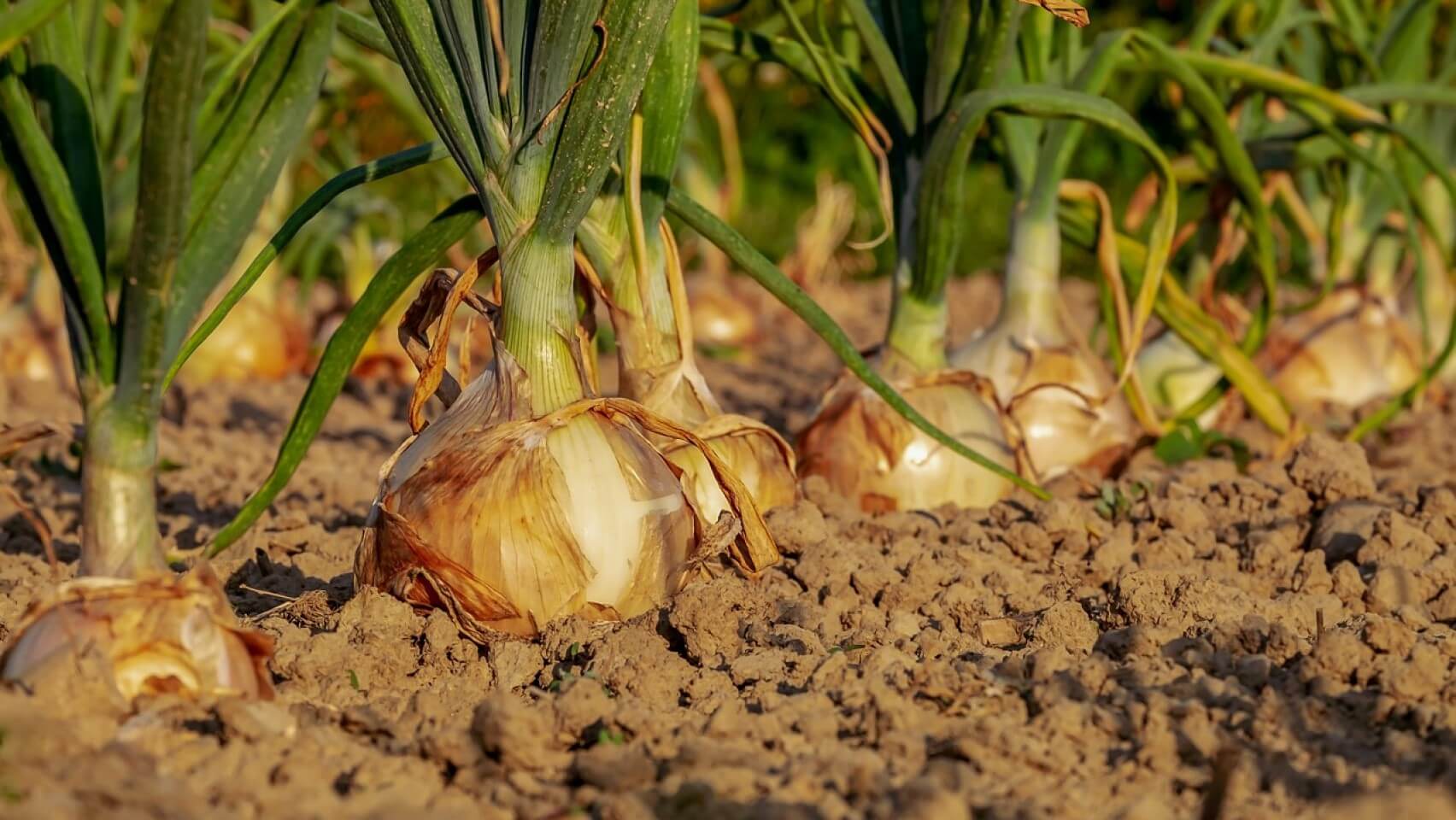
In South Africa, there are several onion cultivars that are commonly grown. Each cultivar has its own unique characteristics, uses, and benefits. Here is a list of commonly grown onion cultivars in South Africa, along with their general uses and benefits:
Onion growing regions in South Africa may vary due to climatic conditions and farming practices. However, major onion-producing areas in South Africa include the Northern Cape, Limpopo, Mpumalanga, and Gauteng provinces. Different cultivars may be preferred in different regions based on factors such as climate, soil conditions, and market demands.
It’s important to note that availability and preferences for onion cultivars may change over time, and there may be other locally adapted cultivars that are popular in specific regions of South Africa. Consulting with local farmers, agricultural extension offices, or seed suppliers in your specific area would provide the most accurate and up-to-date information regarding onion cultivars suitable for your region.
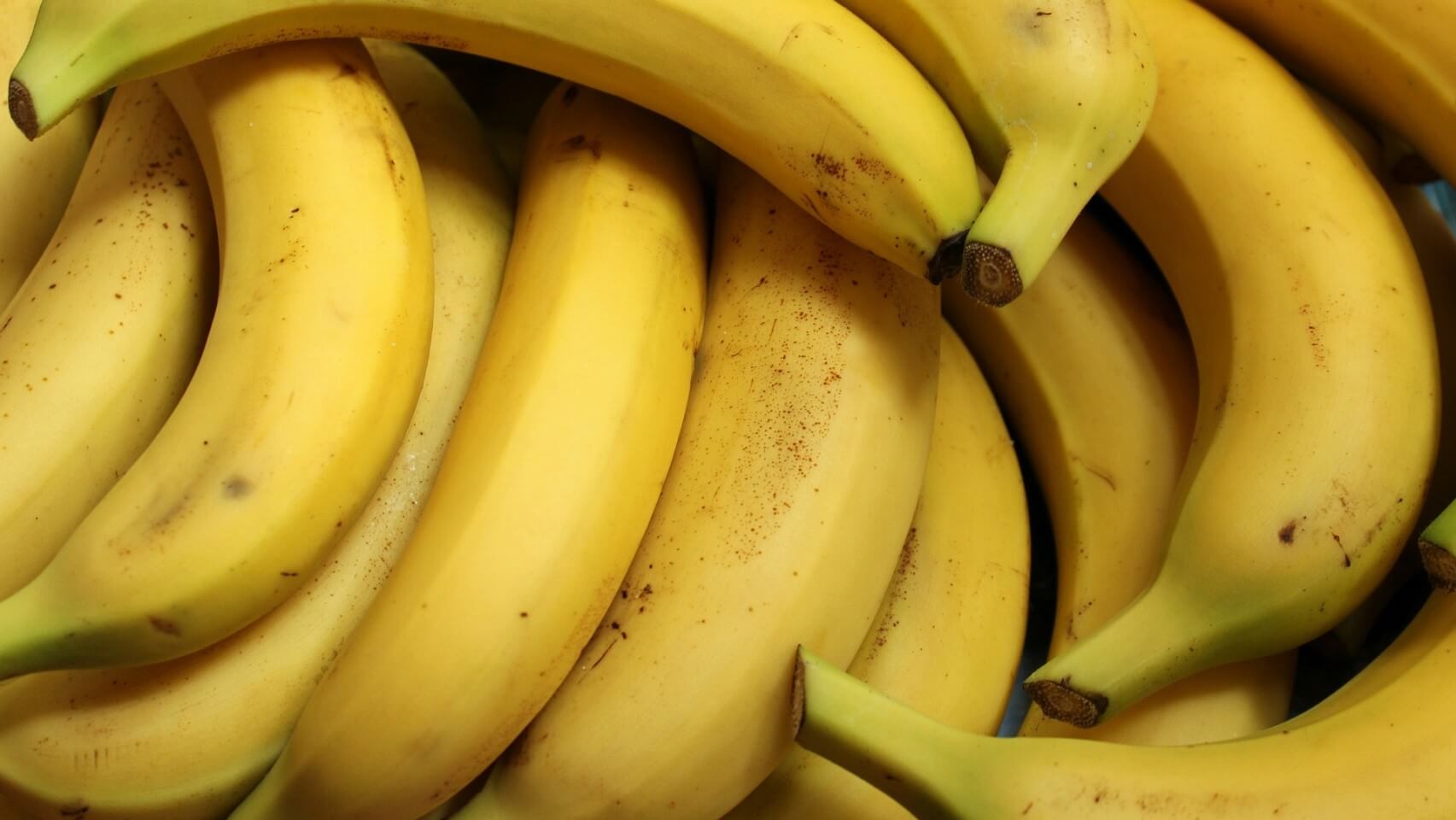
In South Africa, it’s important to note that commercial banana production is limited in the country due to climate restrictions. The majority of bananas consumed in South Africa are imported. However, there are some small-scale banana plantations in certain regions. Here are a few banana cultivars that may be grown in South Africa:
Banana cultivation in South Africa is limited to certain subtropical and warmer regions, such as parts of KwaZulu-Natal and Mpumalanga provinces. These regions offer the necessary climate conditions for banana growth. The specific growing regions for different banana cultivars may vary depending on factors such as climate, soil conditions, and farming practices.
It’s important to note that banana cultivation in South Africa is not as widespread as in other countries, and commercial production primarily focuses on other agricultural products. Therefore, it’s recommended to consult with local agricultural authorities, farmers, or agricultural extension offices in the specific regions of interest to gather accurate and up-to-date information on banana cultivars and growing regions in South Africa.
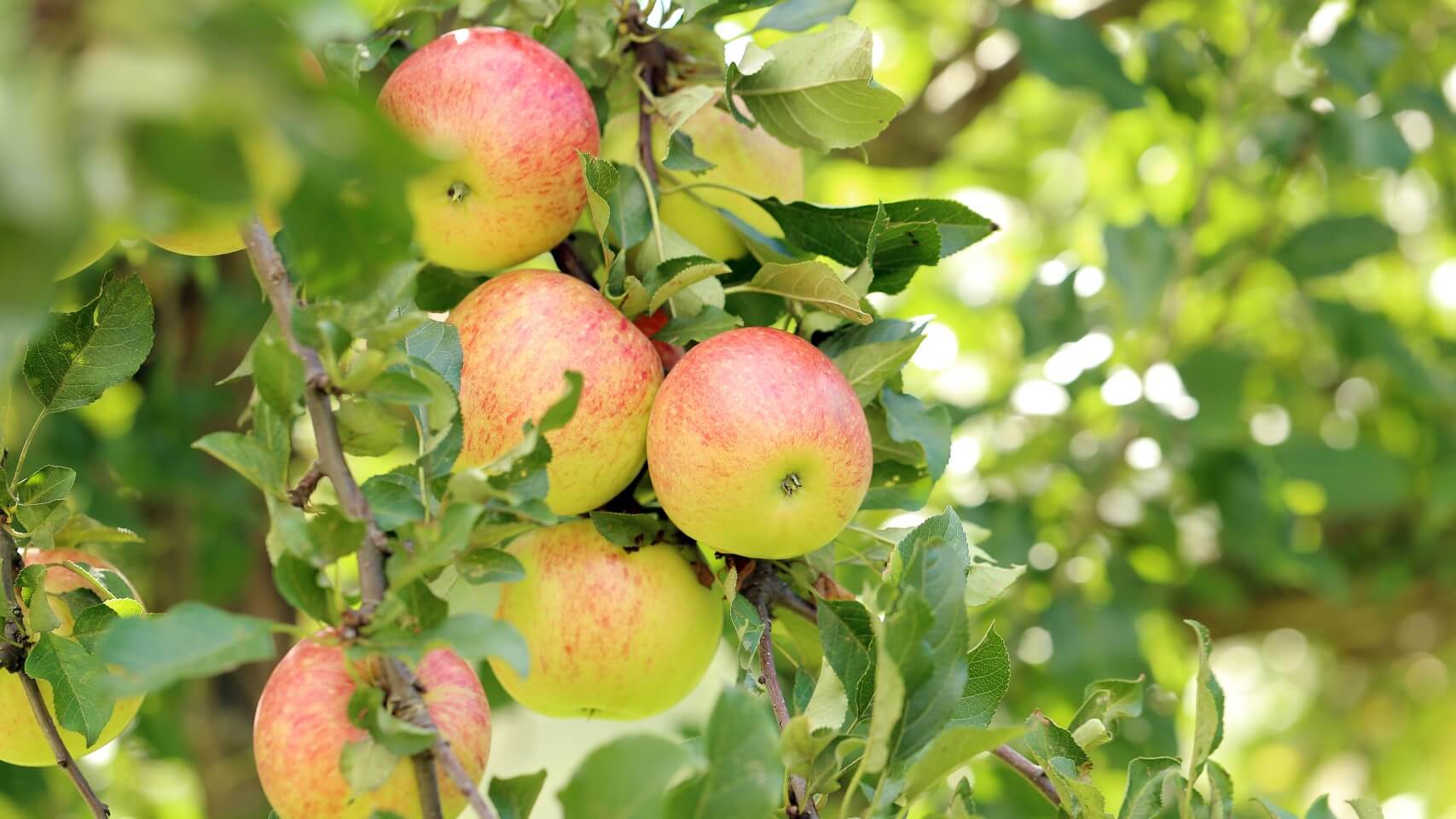
In South Africa, there are several apple cultivars that are commonly grown. Each cultivar has its own unique characteristics, uses, and benefits. Here is a list of commonly grown apple cultivars in South Africa, along with their general uses and benefits:
Apple growing regions in South Africa can vary depending on climatic conditions and farming practices. However, major apple-producing areas in South Africa include the Western Cape, Eastern Cape, and parts of the Mpumalanga and Free State provinces. Different cultivars may be preferred in different regions based on factors such as climate, soil conditions, and market demands.
It’s important to note that availability and preferences for apple cultivars may change over time, and there may be other locally adapted cultivars that are popular in specific regions of South Africa. Consulting with local farmers, agricultural extension offices, or fruit industry organizations in your specific area would provide the most accurate and up-to-date information regarding apple cultivars suitable for your region.
